The 2026 Best Pet Supplies for Wholesale Buyers guide focuses on products customers use every day. Veterinarian and author James Herriot wrote, “Cats are connoisseurs of comfort.” That simple observation still matters on a crowded retail shelf. Comfort, fit, and ease of cleaning can shape repeat purchases.
Wholesale buyers need more than attractive packaging. They need dependable stock, clear product specifications, and realistic reorder timelines. A sturdy leash should feel secure in the hand. A feeder should be easy to wash, with no awkward corners trapping food. A grooming brush should suit its stated coat type. These details are small. Buyers notice when they fail.
This guide considers those practical tests across food and water accessories, walking gear, bedding, toys, and grooming essentials. It also looks at packaging, price tiers, supplier communication, and demand signals. A low unit cost can look appealing, but slow turnover ties up cash. Trendy colors may sell well—or sit untouched. That judgment can be wrong. Buyers should compare samples, review customer feedback, and check replenishment consistency before placing large orders. Pet Supplies are not interchangeable, even when product photos look similar. The strongest assortment balances everyday value with a few distinctive choices. No catalog can predict every local preference. Use this guide as a grounded starting point, then let sales data and customer conversations refine the order.
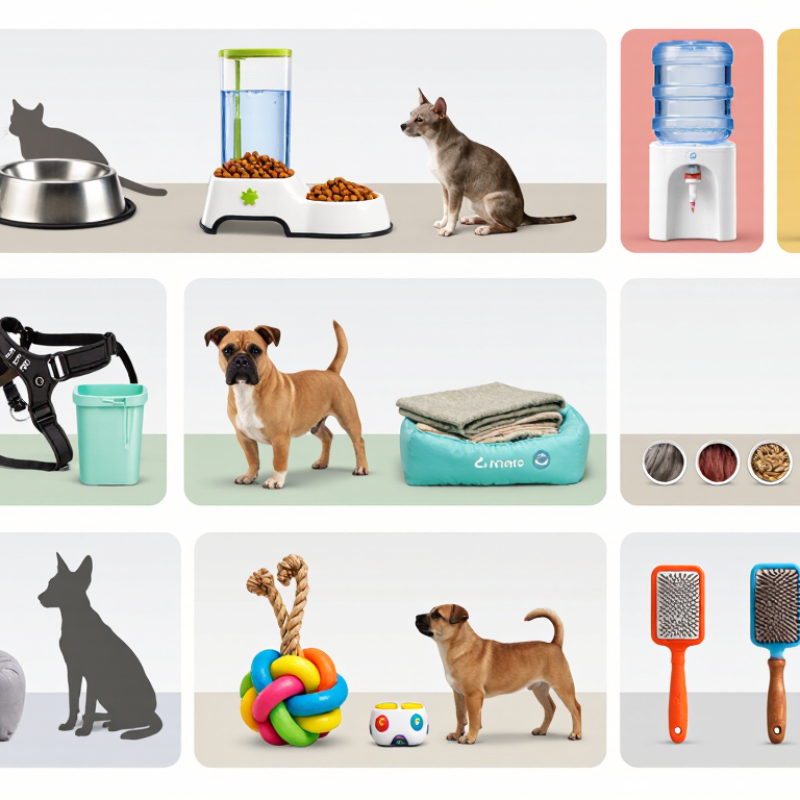
The American Pet Products Association (APPA) reports $152 billion in U.S. pet spending in 2024. That figure offers wholesale buyers a useful market baseline. It reflects spending across the pet industry, not wholesale orders alone. The distinction matters. Strong national spending does not guarantee equal demand for every product type or region.
For 2026 planning, buyers can use the figure as context, then check their own sales records. Feeding supplies, grooming tools, travel accessories, and enrichment products serve different buying patterns. A compact brush may reorder steadily, while a bulky carrier can take up valuable warehouse space. Small details matter. Compare repeat orders, seasonal changes, package dimensions, and storage costs before expanding a purchase order.
I would not treat the headline number as proof that every category will grow. It is broad, and broad figures can hide slower-moving items. Ask suppliers for clear product specifications and realistic lead times. Then test new inventory in manageable quantities where possible. A few weeks of sell-through data may tell you more about local demand than a national total.
APPA counts 86.9 million U.S. pet-owning households, a broad demand signal for wholesale buyers. It does not mean every household shops at the same time or needs the same products. A home with a young dog may need chew toys and washable bedding; a cat household may look for litter tools, scratchers, and compact carriers. Demand varies by pet type, size, age, and available storage space. That variety matters.
For wholesale planning, a balanced assortment can be more useful than a deep order of one popular item. Consider everyday basics alongside seasonal products, and compare pack sizes with the shelf space available to smaller retailers. Check materials, dimensions, care instructions, and packaging before committing to larger quantities. Practical details count. APPA’s figure gives scale, not a guarantee of sales. Buyers should review their own order history, customer questions, and local preferences before adjusting inventory. Even careful forecasts miss sometimes; a slow-moving color or oversized bed can tie up cash and warehouse space. The household count is compelling, but purchase data tells the more specific story.
Wholesale buyers need assortments that cover feeding, routine care, grooming, and play. The American Pet Products Association’s 2025 State of the Industry report estimated U.S. pet-industry spending at $152 billion in 2024, projecting $157 billion for 2025. For food, compare life-stage suitability, package sizes, storage needs, and clear date and lot-code information. Stock practical formats, not only large bags.
Health and grooming shelves benefit from useful basics: dental-care tools, gentle cleaning products, brushes, nail trimmers, and coat-specific combs. Check product instructions and materials, and consider whether customers can use each item comfortably at home. Enrichment can include puzzle feeders, durable chew toys, and simple play objects in varied sizes. Fit matters. A common buying blind spot is choosing by attractive packaging before checking durability or care instructions.
Tip: Test a small quantity before placing a large order. Track sell-through, damage, and repeat purchases; adjust the mix by season and customer feedback. Small tests help.
For 2026 wholesale buying, product selection should start with safety and documented quality, not a low unit price. The FDA advises that animal food be safe, produced under sanitary conditions, and truthfully labeled. Ask suppliers for clear ingredient specifications, batch traceability, and relevant test records. The American Pet Products Association’s 2025 State of the Industry report puts U.S. pet-industry spending at $152 billion in 2024, with a $157 billion estimate for 2025. That scale signals opportunity, but not guaranteed profit. Small details matter. Compare landed cost, shipping, damage rates, and expected retail margin before placing a large order.
Tips: Check seam strength on a carrier, zipper action on a bed, and label readability on a treat pouch. Calculate margin after freight and likely markdowns. Keep replenishable items in the mix, such as waste bags and grooming basics, but validate local demand with a small opening order. Test it first.
Repeat-purchase potential matters most when customers trust the product and can find it again. Track sell-through, returns, and reorder intervals by item, not just by category. A bulky toy may photograph well yet move slowly on a crowded shelf. I have seen a neat spreadsheet miss that problem; shelf space is not free. Review supplier lead times and consistency before promising dependable restocks.
Product selection: assess safety, quality, margins, and repeat-purchase potential.
Planning ratings use a 1–5 scale, where 5 is most favorable. They are comparative buyer assessments, not audited market statistics; verify supplier documentation, landed costs, and customer demand before ordering.
Wholesale pet inventory planning begins with the animals customers actually care for. Review local sales by pet type, then divide shelf space among dogs, cats, birds, fish, and small animals where demand supports it. Keep everyday essentials visible: adjustable leads, litter scoops, food and water bowls, and secure carriers. For small pets, consider bedding, hideouts, and appropriately sized feeding dishes. Useful details matter. A carrier door that opens smoothly can influence a buyer more than bright packaging.
Use recent sell-through data, reorder frequency, and seasonal patterns to set quantities. Compare sizes and price points, not just product categories. Dog buyers may seek durable toys and walking gear, while cat owners often replenish litter and scratching supplies. Demand can shift quickly, though. A promotion or weather change may distort one month’s numbers, so avoid treating a single spike as a lasting trend. Forecasts still miss.
For new items, begin with modest quantities and check sales after a few weeks. Ask store staff which questions shoppers keep asking; those conversations can reveal gaps in the assortment. Keep slow-moving products from crowding out dependable basics, but leave room to test a practical new option. Planning is never exact. I would revisit the mix regularly, especially when one pet type starts taking more shelf space than expected.
U.S. pet spending reached $152 billion in 2024. It offers market context, not a promise that every product will sell. That distinction matters.
An estimated 86.9 million households own pets. Their needs vary by animal, age, size, and available storage space.
Compare national figures with your own sales and reorder records. Local purchase data is more specific. I might still misread a short-lived sales spike.
Brushes and litter tools may reorder regularly, while bulky carriers can take up warehouse space. Check package dimensions and storage costs before ordering more.
Review sales by pet type. Consider leads and durable toys for dogs, scratching supplies for cats, and suitable bedding or dishes for small animals.
Confirm product dimensions, materials, care instructions, pack sizes, and realistic lead times. Small details count. A carrier door that opens smoothly can matter.
Start with modest quantities, then check sell-through after a few weeks. Ask store staff what shoppers request. Forecasts still miss.
Revisit the product mix regularly, especially when one category uses more shelf space. A slow-moving color can tie up cash. I would not ignore that risk.
The U.S. pet market offers substantial opportunities for wholesale buyers, with pet spending reaching $152 billion in 2024 and 86.9 million households owning a pet. These figures point to broad, ongoing demand for practical products that support everyday care. A balanced Pet Supplies assortment can include food, health and wellness items, grooming tools, and enrichment products, giving retailers options for different needs and shopping habits.
When selecting inventory for 2026, buyers should weigh safety, quality, wholesale cost, potential margins, and the likelihood of repeat purchases. They should also match product choices to the pets their customers own and the needs those customers prioritize. Careful assortment planning can help businesses manage inventory responsibly, serve a wider range of buyers, and build a dependable selection around consistent demand.