In 2026, the best Dog Accessories are not simply the newest or most photogenic. They solve everyday problems without making a dog uncomfortable. A well-fitted harness can make a busy sidewalk easier to manage, while a washable bed may spare muddy paws from the sofa. Small details matter. Look for secure fastenings, durable stitching, clear sizing information, and materials that are easy to clean. A stylish item can still be a poor fit.
This guide explores practical choices for walking, resting, travel, grooming, and play. It considers how accessories work in real routines: a water bottle clipped beside a leash, a reflective strip catching headlights at dusk, or a toy left untouched after one sniff. Those details matter more than polished product photos. Check the maker’s fitting and care instructions, and watch for rubbing, loose parts, or signs your dog avoids an item. For health or mobility concerns, ask a veterinarian rather than expecting an accessory to solve them. And honestly, it is easy to overbuy. Start with what your dog needs now, then add items that suit their size, coat, activity, and temperament. There is no perfect kit for every dog. The most useful picks are the ones that stay comfortable, hold up to regular use, and make daily care a little simpler.
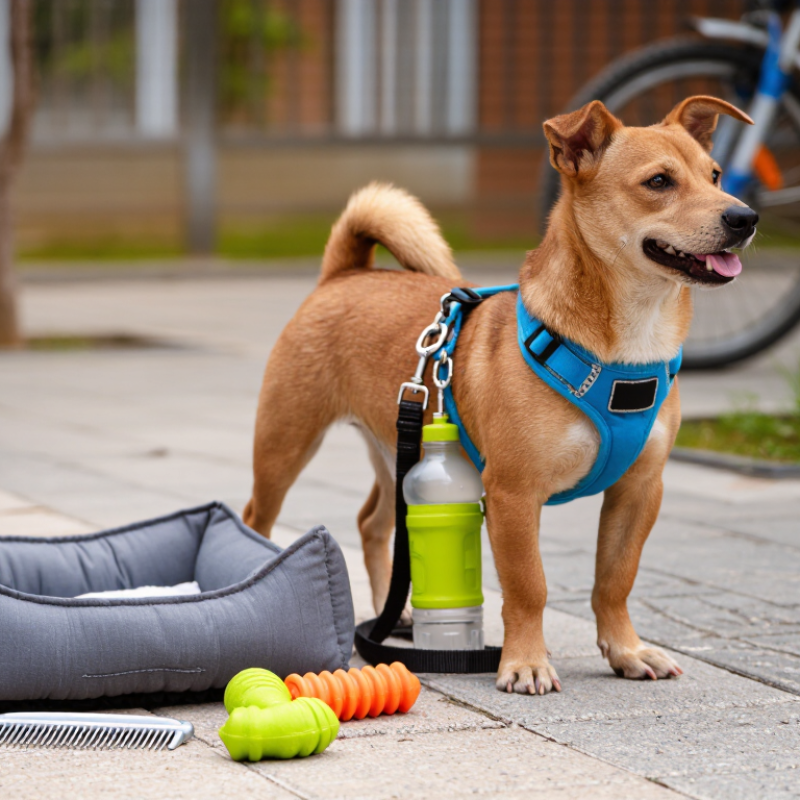
In 2026, dog accessories are less about decoration and more about everyday care, safety, and comfort. A well-fitted harness can reduce pressure on a dog’s neck, while reflective trim helps make evening walks easier to see. A washable bed can keep a resting place cleaner, and a slow-feeding bowl may help some dogs eat at a calmer pace. Fit matters. No accessory replaces supervision, training, or veterinary advice.
Spending figures show why the category deserves attention, but they need careful reading. The American Pet Products Association’s 2025 State of the Industry report estimated U.S. pet-industry spending at $152 billion in 2024, with $157 billion projected for 2025. That total includes food, veterinary care, and other services—not just accessories. It signals a large, evolving market, not proof that every new gadget improves a dog’s life. For shoppers, practical checks matter: measure the dog, inspect stitching and clasps, and choose materials that are easy to clean. Small details count. I would also question products that promise dramatic behavior changes; useful gear can support good care, but it cannot do the work for us.
Everyday comfort starts with equipment that fits the dog, not the shopping trend. A well-fitted harness should let you slide two fingers beneath its straps without rubbing the armpits. Check the fit again after grooming or weight changes. A flat collar with a readable ID tag adds a simple backup. At home, choose a washable bed with enough room for the dog to stretch, plus a sturdy water bowl that is easy to clean. Small details matter.
Useful accessories support care; they do not replace it. The Association for Pet Obesity Prevention’s 2022 survey estimated that 59% of dogs in the United States were overweight or obese. A comfortable walking harness and reflective lead can help make routine walks easier, but neither controls weight on its own. Ask a veterinarian about safe activity and feeding if your dog’s weight concerns you. The American Pet Products Association’s 2024 State of the Industry report put U.S. pet-industry spending at $147 billion in 2023, with $150.6 billion projected for 2024. Spending is not proof of better care. A paw towel by the door, a brush suited to the coat, and a travel water container may prove more useful than a drawer full of gadgets. Fit still takes trial and error.
Safety Gear for Walking, Travel, and Outdoor Activities
For 2026, useful dog accessories are less about novelty and more about visibility, fit, and control. On evening walks, a reflective harness or clip-on light helps drivers and cyclists spot your dog sooner. Choose a harness that lies flat and does not rub behind the front legs. Check the fit with two fingers under the straps. Small details matter. A collar ID tag is useful even if your dog is microchipped, but neither replaces a secure leash.
For car trips, use a properly fitted travel crate or a vehicle restraint with clearly stated safety testing. Your dog should have room to sit and adjust position without roaming around the car. Outdoors, pack fresh water, a collapsible bowl, and a basic pet first-aid kit. Paw protection can help on hot pavement, sharp gravel, or icy paths, but introduce boots gradually. I have seen dogs reject unfamiliar gear at the worst moment. Test it at home first.
Tips: Before each outing, inspect buckles, seams, and leash clips. Keep a backup light and water in the car. If gear causes rubbing or panic, stop and reassess. Comfort matters as much as convenience.
Technology can make daily dog care more informed, but it should support attention, not replace it. A home camera may help owners notice pacing or long periods of inactivity while they are away. Useful, not magical. Activity trackers can show changes in movement, though readings vary by device and should not diagnose illness. If your dog’s behavior changes suddenly, contact a veterinarian rather than relying on an app.
Enrichment accessories give dogs safe ways to explore, sniff, and solve simple problems. A food puzzle on a washable mat can turn part of a meal into a quiet activity. Start with an easy setting, then adjust it to your dog’s confidence and skill. Too difficult, and the puzzle may cause frustration. Rotate toys every few days to keep familiar objects interesting, and supervise new items until you know how your dog uses them.
Interactive toys with timed movement or treat dispensing can add variety during the day. Choose sturdy, washable designs without small parts your dog could swallow, and check them regularly for wear. Some dogs ignore clever gadgets; others become overly excited by them. That part is easy to underestimate. Watch your dog’s response, keep sessions brief, and make room for ordinary walks, play, and human company.
Editorial utility ratings compare how well each accessory can support enrichment or everyday monitoring. Scores are qualitative assessments, not sales figures or survey results.
Ratings use a 1–5 scale, with higher scores indicating stronger perceived usefulness for enrichment or monitoring. Choose accessories to suit your dog’s needs, activity level, and comfort.
Choosing dog accessories in 2026 starts with the dog, not the trend. A small, short-haired dog may need a warm, lightweight coat for chilly walks, while a thick-coated dog may overheat in one. Check fit by slipping two fingers beneath straps and watching for rubbing around the legs. Comfort matters more than appearance. For older dogs or pets with health concerns, ask a veterinarian before choosing supportive gear.
Tips: Measure your dog while standing. Recheck the fit after a few minutes of walking. If your dog freezes, chews at a strap, or keeps scratching, remove the item and reassess. Small signs count.
Match accessories to daily routines. A reflective lead can help drivers spot a dog on dark winter walks, while a sturdy travel harness may make car trips more settled. At home, a washable bed with enough room to stretch can suit dogs that sprawl; a tucked-in sleeper may prefer raised sides. Choose toys for your dog’s chewing style, and inspect them often for loose parts or damage. I’ve found that even sensible purchases can miss the mark: some dogs dislike new textures at first. Introduce unfamiliar gear briefly, then adjust based on your dog’s response.
It can show pacing or long periods of inactivity while you are away. It cannot explain every cause. Useful, not magic.
No. Trackers can show changes in movement, but readings vary by device. Sudden behavior changes call for a veterinarian’s advice.
Place it on a washable mat and begin with an easy setting. Make it harder only when your dog seems comfortable. Too difficult? Frustration can follow.
Choose a sturdy, washable design without small parts. Inspect it often for wear, and supervise your dog with new toys.
Slip two fingers beneath the straps and check for rubbing near the legs. Watch your dog walk for a few minutes. Comfort over looks.
Freezing, chewing at a strap, or repeated scratching are reasons to remove it and reassess. Small signs count.
A reflective lead can make a dog easier to spot on dark walks. A sturdy travel harness may help make car trips calmer.
Introduce new items briefly, then watch your dog’s response. Some dogs dislike unfamiliar textures. I’ve misjudged that before; patience helps, but acceptance is never guaranteed.
In 2026, Dog Accessories are best understood as practical tools that support a dog’s comfort, health, safety, and daily enjoyment. Everyday essentials may include a comfortable bed, food and water bowls, grooming supplies, and weather-appropriate clothing. The right choices can make routines easier while giving dogs a calm, comfortable place to rest and helping owners meet their pets’ basic care needs.
For walks, travel, and outdoor activities, well-fitted harnesses, leashes, identification tags, and travel restraints can help improve safety and control. Modern accessories may also include activity trackers, interactive toys, puzzle feeders, and other enrichment items that encourage movement and mental engagement. Rather than choosing products based only on trends, owners should consider their dog’s size, age, health, temperament, and lifestyle, then prioritize items that are comfortable, durable, easy to use, and suited to everyday needs.