High-Velocity Product Lines & OEM/ODM Specialties
Explore our export-ready prototypes and best-selling SKUs manufactured across verified partner production cells under Intertek on-site auditing protocols.
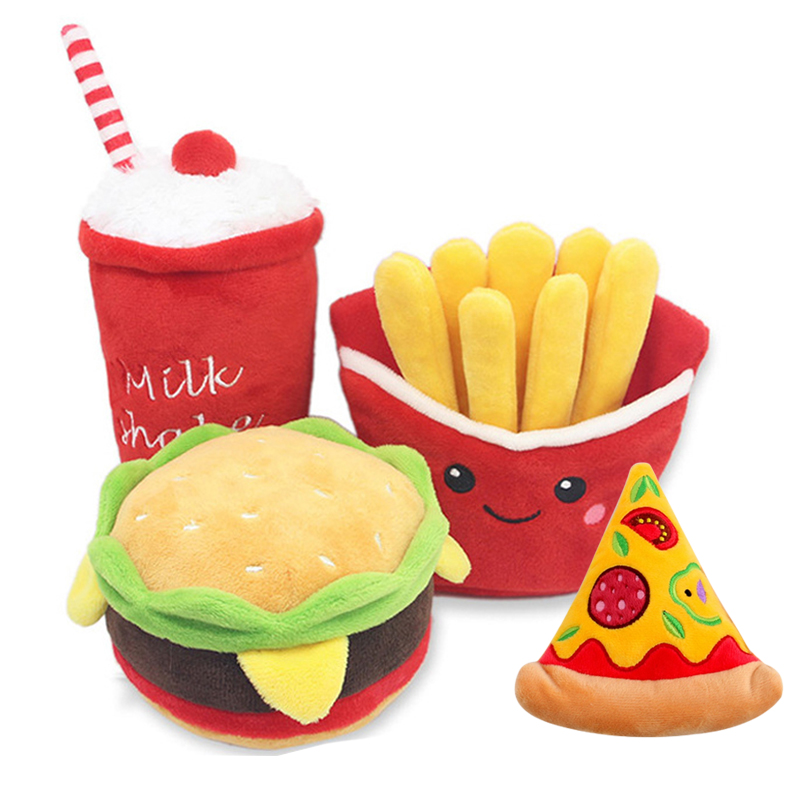
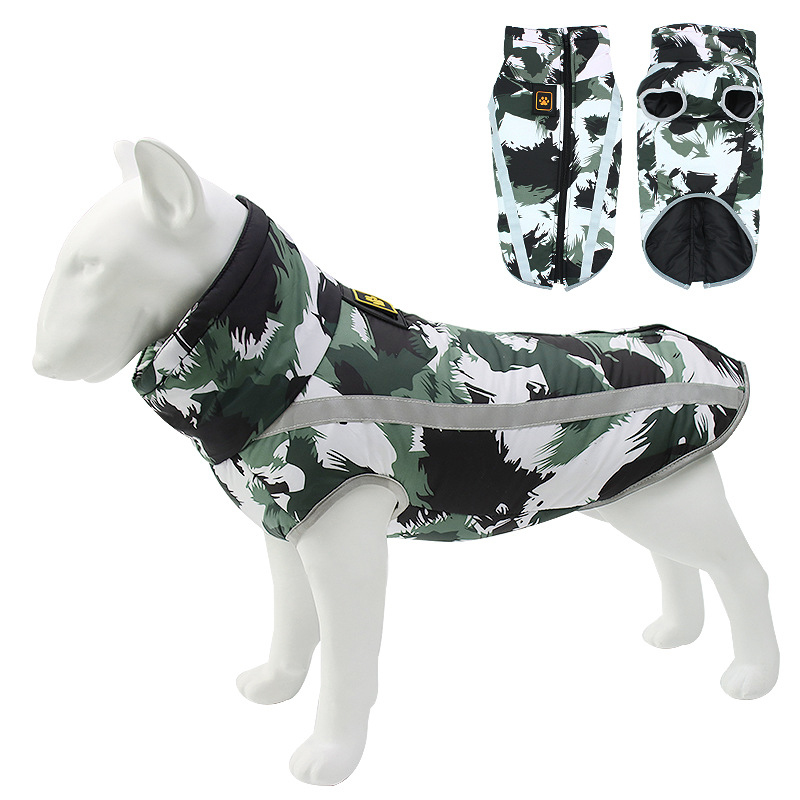
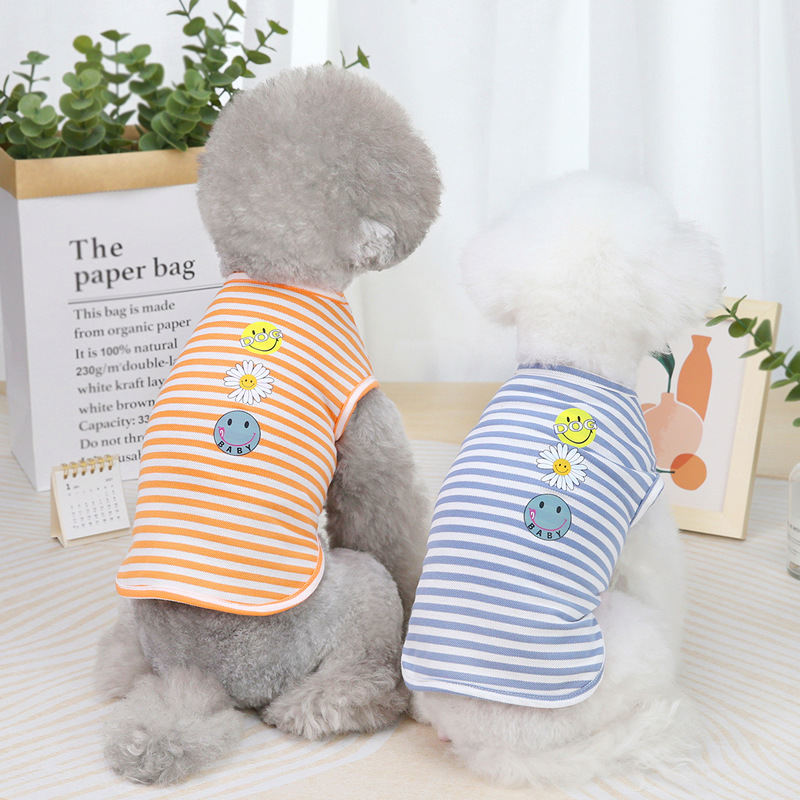
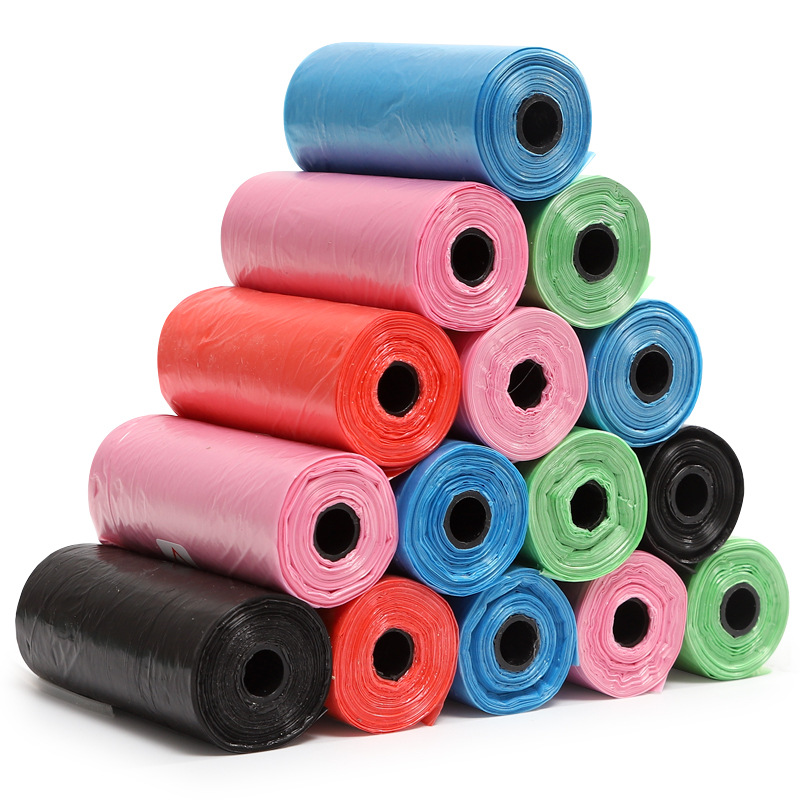
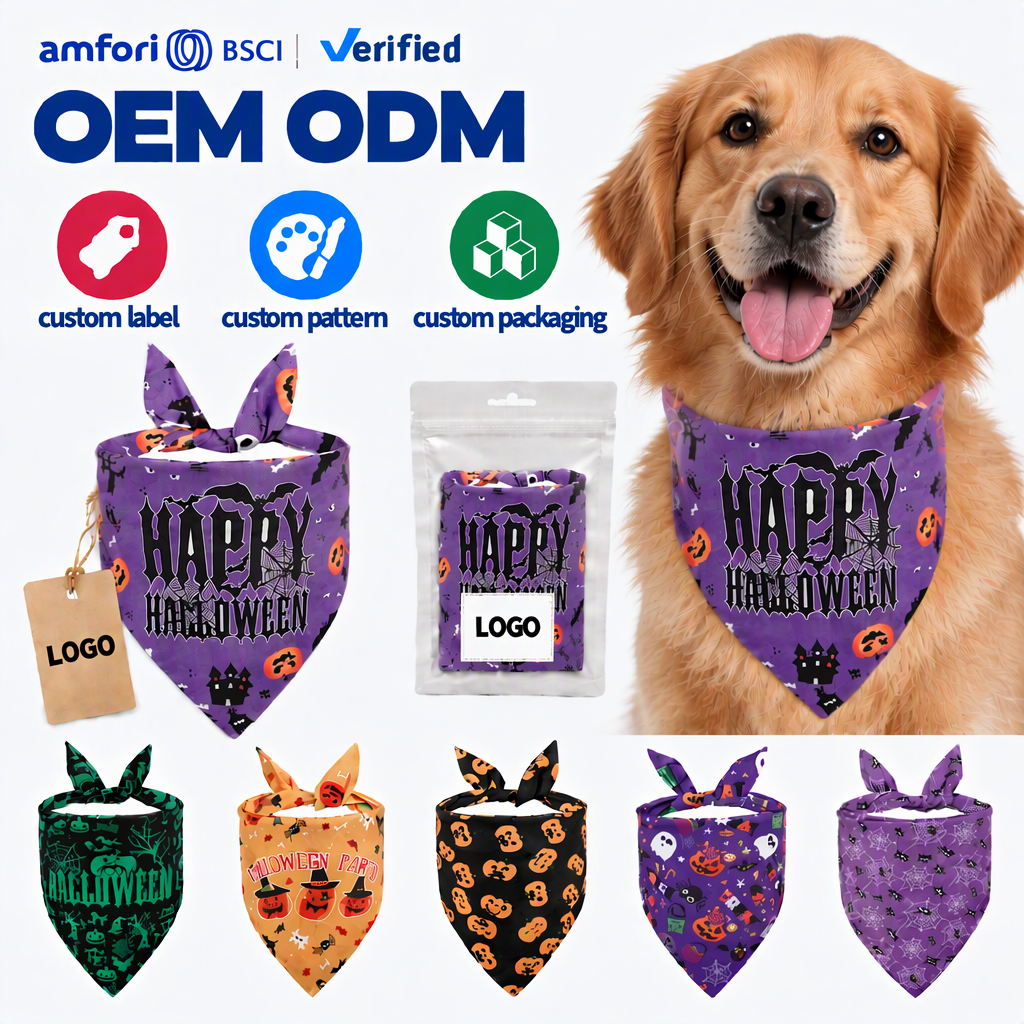
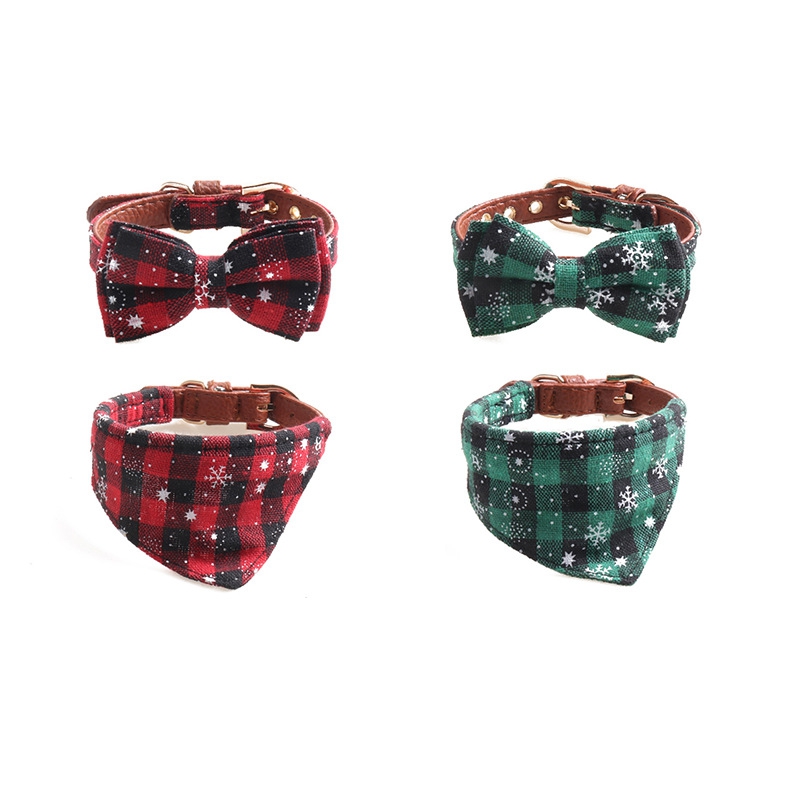
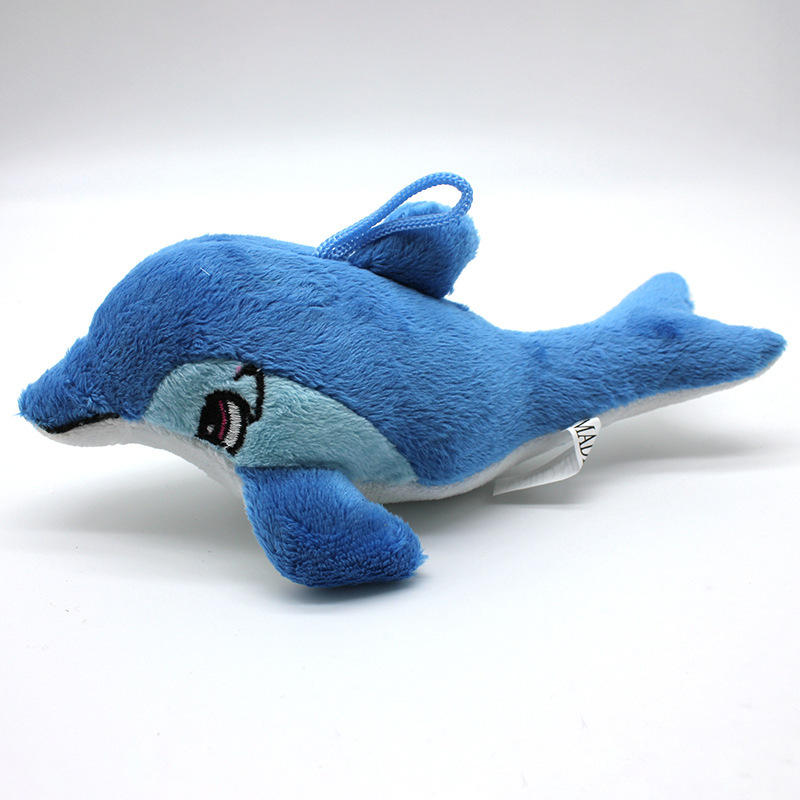
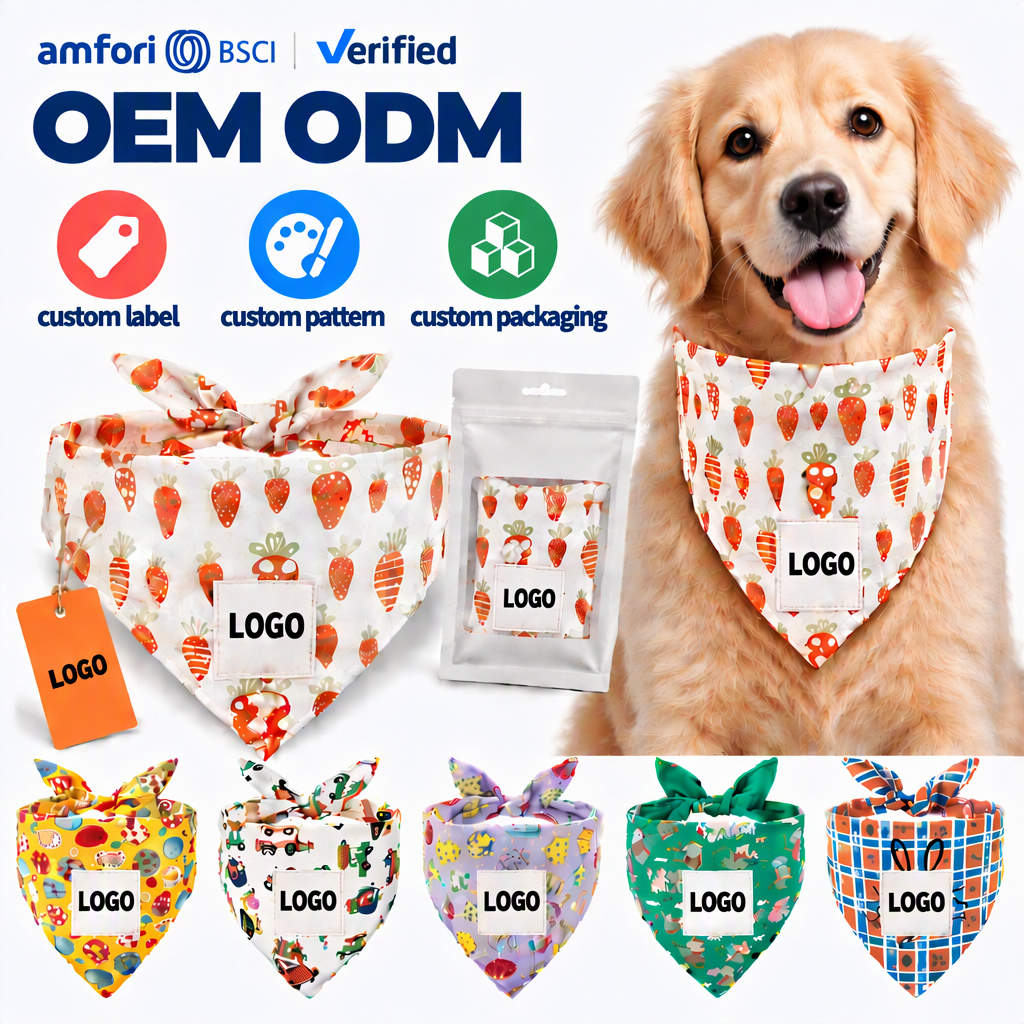
Material Science & Compression Molding in Rubber Dog Toys
A technical guide for pet product directors, brand managers, and import compliance officers navigating elastomeric polymers, bite kinetics, and toxicological standards.
1. Polymer Selection: Natural Rubber vs. TPE vs. Silicone
The global canine toy marketplace demands a precise balance between puncture resistance, mechanical tensile strength, and dental tactile feedback. Selecting the correct elastomeric substrate defines product longevity and pet safety:
- Natural Vulcanized Rubber (Hevea Brasiliensis): High-resilience polyisoprene compound offering superior tear resistance (ASTM D624) and organic bounce. Optimal for aggressive chewer formulas.
- Thermoplastic Elastomers (TPE / TPR): Recyclable block copolymers providing high precision injection molding cycles, transparent coloration, and lower tool maintenance costs.
- Liquid Silicone Rubber (LSR): Extreme thermal stability (-40°C to 200°C), dishwasher-safe, chemically inert, and favored for neonatal puppy teething products.
2. Durometer Calibration & Canine Bite Force Dynamics
Different dog breeds exert crushing pressures ranging from 150 to over 700 PSI. Calibrating hardness on the Shore A scale is critical to preventing dental avulsion or catastrophic fragmentation:
- Shore 40A to 50A (Puppy & Senior Soft Flex): Low compression set designed for deciduous teeth and gingival stimulation during developmental phases.
- Shore 55A to 65A (Universal Medium Interactive): Dynamic rebound for fetch balls, treat dispensers, and moderate tugging toys.
- Shore 70A to 80A+ (Extreme Power Chewers): High-density vulcanization combined with cross-linked polymer matrices to inhibit canine tooth penetration.
3. International Toxicological Compliance & Chemical Safety
As canine companion toys encounter constant salivary immersion and mucosal contact, raw compound formulations must pass stringent food-contact and toy toxicity assessments:
- FDA 21 CFR 177.2600: Verifies rubber articles intended for repeated oral use meet distilled water and n-hexane extraction limits.
- EU REACH & SVHC Screening: 100% free of SVHCs (Substances of Very High Concern), Polycyclic Aromatic Hydrocarbons (PAHs), and toxic nitrosamines.
- Heavy Metal Migration (EN 71-3 / ASTM F963): Rigorous acid-extraction testing ensuring lead, cadmium, arsenic, and mercury content remain below detectable thresholds.
| Material Classification | Hardness Range (Shore A) | Tensile Strength (MPa) | Tear Resistance | Best Application | Tooling Lead Time |
|---|---|---|---|---|---|
| Natural Vulcanized Rubber | 50A – 80A | 16.0 – 24.5 | Exceptional (Class A) | Heavy chew toys, dynamic fetch spheres, treat cones | 18–25 Calendar Days |
| Food-Grade Thermoplastic Rubber (TPR) | 35A – 70A | 8.0 – 14.0 | High (Class B) | Dental spikes, floating pool toys, dual-density puzzles | 15–20 Calendar Days |
| Food-Grade TPE (Recycled Blend) | 40A – 65A | 7.5 – 12.0 | Moderate (Class B-) | Eco-conscious retail lines, slow-feeder inserts | 15–20 Calendar Days |
| High-Purity Silicone (LSR) | 30A – 60A | 6.0 – 10.5 | Moderate (Class C) | Teething mats, collapsible travel feeders, treat lick pads | 20–25 Calendar Days |
Tooling Architecture & Mold Cavitation Economics
Tooling design forms the bedrock of unit pricing and dimensional tolerance. Our engineering unit uses P20, 718H, and NAK80 hardened tool steels to prevent parting-line flash and burr defects over multi-hundred-thousand cycle lifespans.
For custom ODM geometries, mold cavitation is calculated balancing initial capex against annual unit projections. High-cavitation compression tools (8 to 32 cavities) drop cycle costs to pennies per unit, whereas single-cavity prototype molds validate physical ergonomics within 7 working days.
Surface Texturing, Plaque Scraping & Squeaker Housing
Modern rubber toys must provide oral hygiene benefits while safeguarding internal mechanical components. We implement three-dimensional CAD teeth-cleaning textures (chevron ridges, convex nubbins, and micro-grooves) that gently clean canine teeth and stimulate microcirculation during mastication.
For squeaker integration, ultrasonic encapsulation prevents internal squeakers from being dislodged or swallowed, passing rigorous ASTM F963-17 small-part tension pull tests.
Custom Compound Infusions & Color Formulations
Standard rubber toys are often hindered by sulfur odors from the vulcanization phase. We utilize advanced deodorizing masterbatches combined with proprietary oil infusions (bacon, peanut butter, beef broth, or fresh mint) blended into the compound matrix before curing.
Color consistency is governed strictly via spectrophotometric Pantone matching (ΔE < 0.8), ensuring your brand palette maintains chromatic uniformity across retail packaging and shelves under intense store lighting.
Pet Procurement Trends & Next-Gen Product Evolutions
Discover the consumer demand shifts and regulatory adjustments reshaping the dog toy import ecosystem over the next five years.
1. Post-Consumer Recycled & Bio-Based Elastomers
Sustainability is no longer an optional marketing angle; it is a core retail listing prerequisite in European and North American retail chains. Modern procurement teams prioritize:
- FSC-Certified Natural Rubber: Ethical harvesting originating from responsibly managed plantations with clear chain-of-custody documentation.
- Ocean-Bound & Recycled TPE: Upcycled polymers tested rigorously to ensure heavy metal purity while diverting single-use waste.
- Plastic-Free Packaging Solutions: Kraft paper headers, biodegradable soy ink cards, and zero microplastic hangtags.
2. Cognitive Enrichment & Slow-Feeding Hybridization
Pet owners increasingly view toys as behavioral wellness instruments rather than mere chew items. Sourcing requests have shifted toward multi-functional designs:
- Dual-Chamber Dispensing Toys: Precision engineered geometries that meter the release of kibble, wet paste, and frozen broths to mitigate separation anxiety.
- Multi-Texture Lick & Chew Mats: Textured elastomer mats that encourage repetitive licking, releasing endorphins while cleaning the tongue surface.
- Hybrid Rigid/Elastomer Assemblies: Combining ultra-hard nylon skeletons with supple natural rubber outer coatings to satisfy diverse biting behaviors.
3. Omnichannel SKU Rationalization & Low-MOQ Flexibility
Direct-to-consumer (D2C) brands and Amazon top sellers avoid heavy warehouse capex. Successful procurement models prioritize agility:
- Small-Batch Market Validation: Ordering 10–20 units per style to test Amazon PPC conversions and retail boutique velocity before scaling tooling.
- Cross-Category Consolidation: Mixing soft plush toys, apparel, leashes, and rubber chewers into a single container shipment to amortize freight expenses.
- Short-Cycle Seasonality: Rapid turnaround of holiday colorways (Halloween, Christmas, Valentine's) through modular tooling inserts.
Hangzhou Eskim Manufacturing Advantage
Combining 19 years of pet manufacturing legacy, Intertek on-site verified accountability, and a vast collaborative network of 266 certified production facilities.
19 Years Pet Industry Heritage
Founded in 2006 in Hangzhou, China, Hangzhou Eskim Pet Products Co., Ltd. has spent nearly two decades exclusively perfecting companion animal products. We understand breed ergonomics, international shipping logistics, and customs documentation better than generalized trading firms.
Intertek On-Site Verified Facility
Independent third-party inspection powerhouse Intertek has audited our production capabilities, corporate operations, and material safety compliance on-site. Importers can review verified transaction records, credit rankings, and factory audit sheets with total confidence.
266 Partner Factory Alliance
Rather than constraining your product catalog to the machinery of a single facility, our consolidated network of 266 vetted factories allows you to combine vulcanized rubber, TPR injection toys, soft apparel, harnesses, leashes, beds, and feeders into a single consolidated FOB shipment.
Low MOQ Mixed Orders (~$300)
Lower your inventory risk. Most in-stock and semi-custom styles start at only 10–20 pieces per style. Brands can assemble cross-category trial shipments starting around USD 300, test-driving high-potential SKUs across retail channels before committing to heavy volume orders.
100–200 New ODM Concepts Weekly
Our dedicated joint design studio monitors trend analytics across Milan, London, Tokyo, and New York pet markets. We release hundreds of fresh private-label models every single week—ready for your branded woven labels, debossed logos, and customized packaging sleeves.
12-Hour SLA Customer Support
With an audited 97.71% response rate within 12 hours (7 days a week), your dedicated English-fluent account specialist handles mold specifications, sampling schedules, barcode labeling, and FOB/CIF forwarder coordination with zero lag across time zones.
Frequently Asked Procurement & Manufacturing Questions
Actionable guidance covering OEM mold tooling costs, material safety reports, production turnarounds, and export payment terms.
What is the typical minimum order quantity (MOQ) for custom rubber toys?
For existing catalog models with custom laser-engraved or debossed logos, the MOQ is 100–300 pieces. Completely bespoke OEM items requiring fresh steel compression tooling typically start at 1,000–3,000 units depending on part volume. However, for in-stock catalog products, trial orders can start from 10–20 pieces per style with mixed container consolidation.
How much does a custom steel compression or injection mold cost?
A single-cavity prototype mold for design and bite verification usually costs between $400 and $800 USD. Full-scale production multi-cavity steel molds (NAK80 or 718H hardened tool steel) range from $1,500 to $4,500 USD depending on geometric intricacy, undercut core-pulls, and cavitation count. Tooling fees are frequently credited back once order volumes meet agreed milestone quantities.
What safety certifications and chemical compliance tests are available?
Our formulations comply with FDA 21 CFR 177.2600 (aqueous and fatty food extractables), EU REACH SVHC chemical regulations, California Proposition 65 (free of lead, phthalates, and cadmium), and EN 71 Parts 1-3. We routinely coordinate batch-specific testing with SGS, TÜV, and Intertek prior to bulk container dispatch.
What is the turnaround time for 3D prototypes, samples, and mass production?
Initial 3D CAD modeling takes 24–48 hours. Functional SLA or silicone casting prototypes take 3–5 working days. Once production molds are signed off, initial golden pre-production samples ship in 10–12 days. Full mass manufacturing typically concludes in 25–35 calendar days following final sample authorization.
Can you provide custom retail packaging and private labeling?
Yes. We offer end-to-end retail packaging development including debossed or embossed logos directly in mold cavitation, customized full-color backing cards, eco-friendly kraft paper hangtags, PVC boxes with euro-slots, barcodes, and Amazon FBA carton prep with palletized loading.
What payment frameworks and shipping terms do you support?
We work under standard international Incoterms including FOB Shanghai/Ningbo, EXW, CIF, and DDP direct to your Amazon or 3PL warehouse. Supported settlement channels include Telegraphic Transfer (T/T), Letter of Credit (L/C at sight), D/P, PayPal for sampling, Western Union, and Trade Assurance Escrow in USD, EUR, CAD, or CNY.
Request Technical Mold Feasibility & Wholesale Quotations
Share your target Shore hardness, estimated annual volume, and CAD drawings or reference concepts. Our engineering team reviews mold geometry and returns a detailed quotation with material analysis within 12 hours.