Whitepaper: Engineering Pet Walking Gear for the Demanding Stuttgart Market
The pet market in Germany—and specifically in Baden-Württemberg’s urban and sub-alpine epicenters like Stuttgart, Esslingen, and Ludwigsburg—presents unique expectations for imported pet lifestyle equipment. Pet owners in southwestern Germany hold canine ergonomics, material sustainability, and safety engineering to the highest global standards. In this regional market, pet gear is evaluated not merely as ornamental fashion, but as rigorous functional equipment comparable to human hiking apparel and automotive safety gear.
As Hangzhou Eskim Pet Products Co., Ltd., a premier manufacturer established in 2006, our 19 years of dedicated development have been tailored to bridge high-volume Chinese manufacturing with precision-engineered Western compliance. European distribution brands, specialized boutique chains, and regional pet retailers across Stuttgart require gear that can effortlessly transition between dense urban public transport networks (VVS) and rugged topographical trails along the Swabian Jura (Schwäbische Alb).
Anatomical Load Distribution: The "Y-Shape" vs. "Norwegian" Imperative
For canine harnesses exported to German professional retail outlets, anatomical architecture is scrutinized by veterinarians, certified dog trainers (Hundetrainer), and discerning consumers. Traditional restrictive harnesses can cause chronic skeletal displacement and soft-tissue inflammation around the shoulder joint. Consequently, Stuttgart retailers heavily prioritize Y-shaped (Y-Geschirr) and ergonomic no-pull dual-clip harnesses that guarantee completely unhindered scapula rotation and zero cervical pressure.
Our Hangzhou engineering labs utilize reinforced bar-tack stitching on all tension-bearing structural cross-sections. Every batch of load-tested nylon webbing undergoes specialized dynamic pull-testing ranging from 150 kg to 350 kg depending on breed sizing (from French Bulldogs up to German Shepherds and Bernese Mountain Dogs). The integration of zinc-alloy matte-coated D-rings and POM quick-release buckle systems prevents sudden brittle fractures caused by winter frost conditions common to continental Central Europe.
Urban Commuting: Stuttgart S-Bahn & VVS Transit
Strict safety etiquette across the Stuttgart metro system requires secure, low-profile control handles and short, reflective leads. Our integrated dual-handle harnesses allow owners instant close-proximity control during crowded city peak hours.
Alpine & Vineyard Trails: Neckar Valley & Schönbuch
Weekend activities demand moisture-resistant, non-abrasive neoprene lining that prevents fur matting and chafing during multi-hour treks through damp pine forests, sloping vineyards, and regional nature reserves.
Winter Low-Light Safety: European Dark Seasons
With sunset hitting early during continental winter months, 360-degree woven 3M reflective threading and high-visibility luminescence represent non-negotiable consumer requirements across Baden-Württemberg retail channels.
Emerging Trends in the German Pet Retail Ecosystem
Through active coordination with over 86 global partner brands and real-time European market surveillance, our team notes significant evolutionary shifts within the German pet hardware sector:
- REACH & OEKO-TEX Standard 100 Material Verification: Heavy focus on hypoallergenic, zero-phthalate materials, water-based non-toxic dyes, and odorless PVC/TPU coatings. Importers in Stuttgart increasingly reject goods with excessive chemical processing odors.
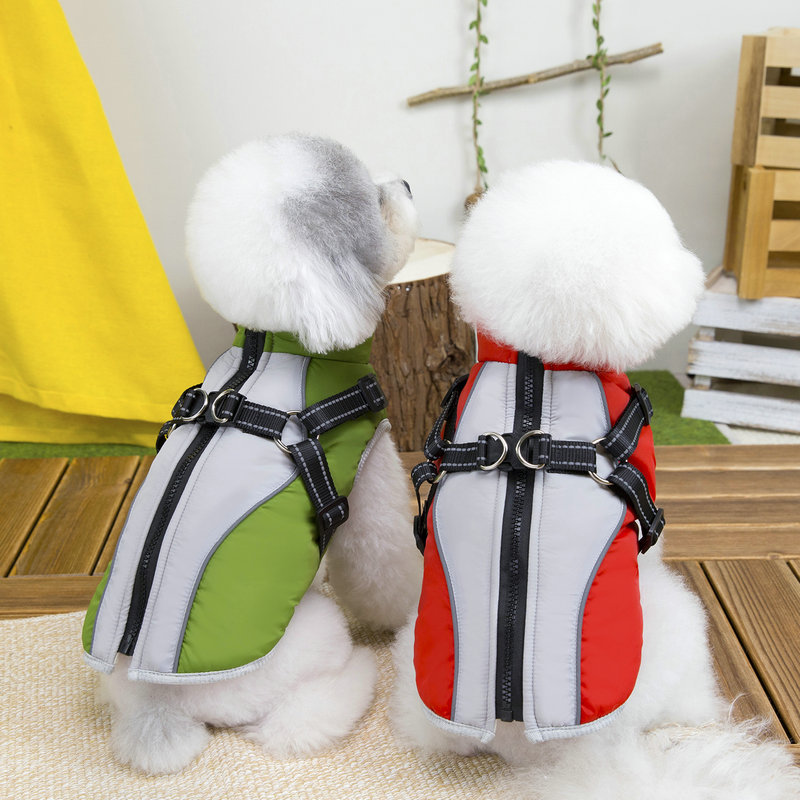
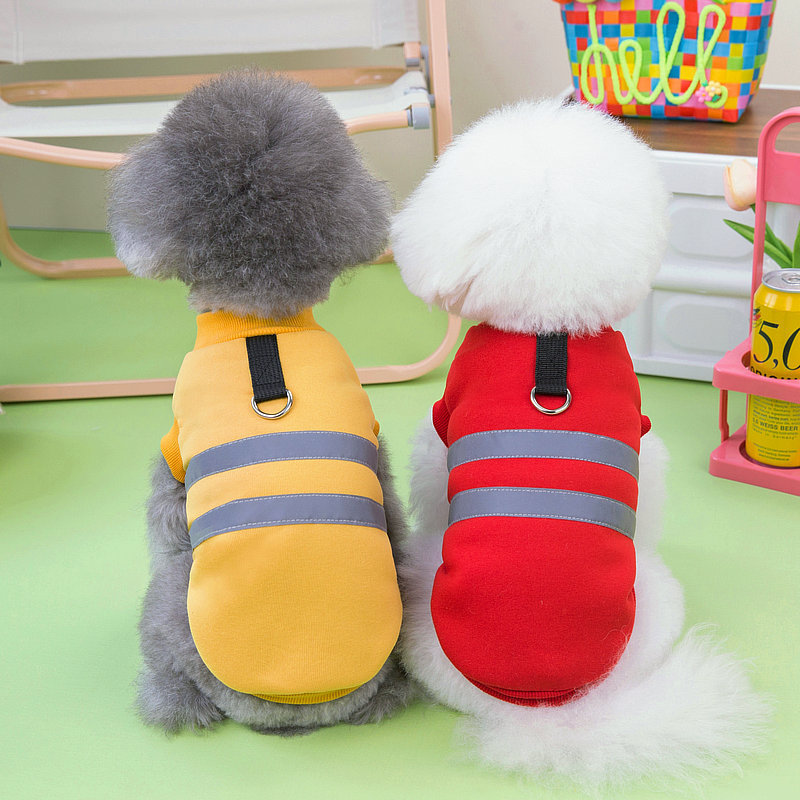
- Hybrid Functionality (Apparel with Harness Synergy): As evidenced by our integrated insulated vests with harness loops, pet owners seek multi-functional garments that eliminate the awkward layering of bulky harnesses over waterproof winter coats.
- Sustainable Webbing & rPET Fibers: Recycled polyethylene terephthalate (rPET) webbing created from reclaimed ocean and post-consumer plastics is shifting from a niche novelty into a mainstream specification for high-tier private label collections across Germany.