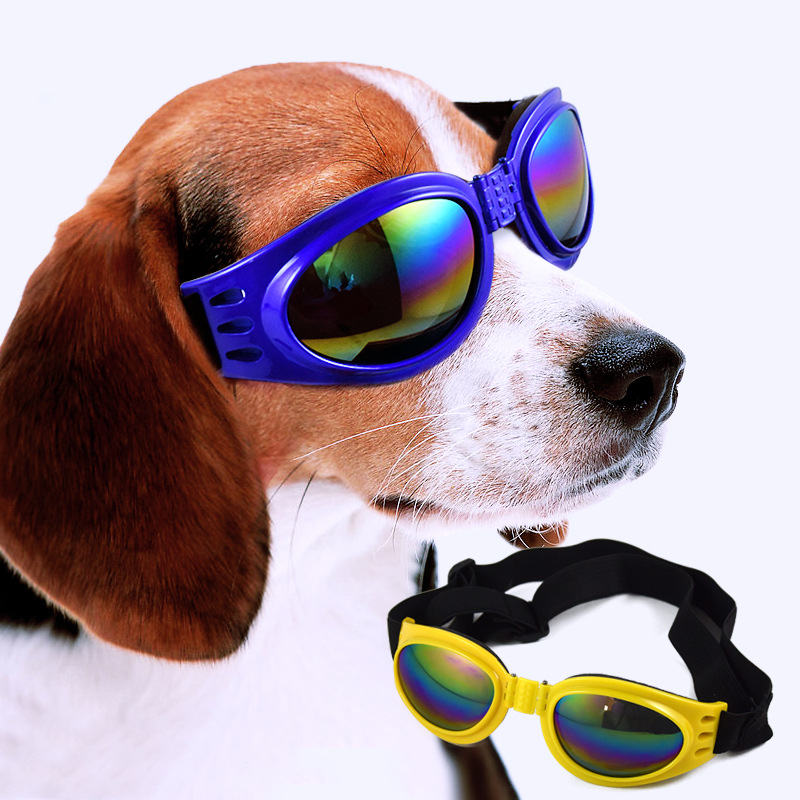
Premium Product Catalog
Export-Grade Canine Restraint Systems & Seasonal Pet Accessories
Explore our laboratory-verified, tensile-tested dog leashes, collars, travel gear, and precision apparel fabricated directly to meet strict Japanese import specifications.

19+
Years Sourcing Expertise
266
Certified Partner Facilities
30,000+
Catalog Stock SKUs
100%
Intertek On-Site Verified
Urban & Coastal Application
Localized Engineering: How Fukuoka's Terrain Dictates Dog Leash Specifications
From the salty coastal atmosphere of Hakata Bay to dense urban transit hubs like Tenjin, pet restraint hardware requires tailored manufacturing standards.
Marine Salt-Spray Resistance along Momochi Seaside Park
Fukuoka’s sprawling coastal promenade exposure accelerates galvanic oxidation on standard iron hardware. Our export leashes incorporate electrophoretic-coated zinc alloy hardware, 304/316 marine-grade stainless steel swivel snaps, and salt-mist-tested PVC-coated nylon webbing capable of withstanding over 72 hours of neutral salt spray testing without pitting or locking pin failures.
High-Density Transit Control in Tenjin & Hakata Hubs
Navigating Fukuoka’s crowded metropolitan shopping zones, subway concourses, and outdoor cafe districts demands short-leash control. We engineer multi-traffic handle leashes that integrate secondary control loops positioned 30 cm from the collar clasp, manufactured using padded neoprene handles that prevent friction burns while providing immediate reactionary restraint in restricted public areas.
Night Visibility Requirements along Ohori Park Pathways
Ohori Park is Fukuoka’s premiere jogging and dog-walking hotspot, where twilight and nocturnal walking is common. We weave 3M Scotchlite retroreflective micro-prismatic filaments directly into both sides of the 1000D nylon webbing. This ensures 360-degree reflectivity up to 200 meters under vehicle headlights and park LED lighting, significantly reducing nocturnal collision risks.
Kyushu Regional Market Intelligence
Emerging Procurement Trends Shaping Pet Restraint Gear in Fukuoka
Direct supply-chain shifts impacting wholesale distributors, independent pet boutiques, and e-commerce aggregators across southwestern Japan.
The Shift Toward Ultra-Lightweight Mini-Breed Restraints
Kyushu's residential demographic demonstrates an overwhelming preference for toy and miniature dog breeds, such as Toy Poodles, Miniature Dachshunds, and Shiba Inus. Traditional Western heavy leashes cause severe cervical strain and tracheal damage in small canines. Procurement officers across Fukuoka now mandate sub-80g restraint systems utilizing ultra-narrow 10mm to 15mm tubular nylon webbing combined with aviation-grade 7075 aluminum-magnesium carabiners to optimize structural strength while minimizing deadweight.
Odorless, Non-Toxic TPU BioThane-Style Alternatives
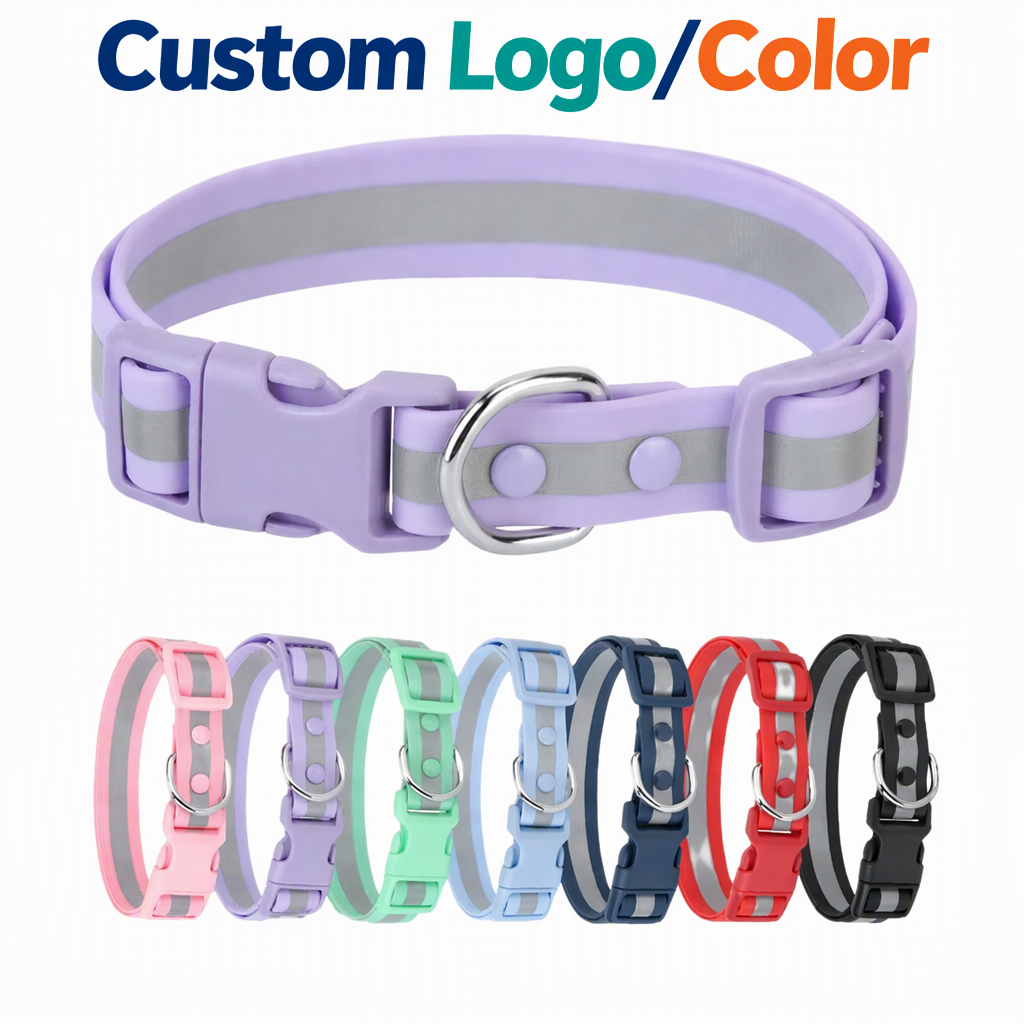
Fukuoka’s humid subtropical rainy season (Tsuyu) causes standard leather and fabric leashes to mildew, warp, and trap persistent bacteria. Japanese buyers are rapidly pivoting to water-impermeable Thermoplastic Polyurethane (TPU) coated webbing. These leashes exhibit zero water absorption, wipe clean within seconds, retain suppleness at sub-zero temperatures, and resist up to 350 kg of static pull without elongation.
Strict Japanese Food Sanitation Act (JFSL) Cross-Compliance
In Japan, pets are treated as intimate family members ("Doushi"), meaning accessories regularly come into contact with human skin and children's hands. Fukuoka customs and local retail distribution chains increasingly enforce non-detectable levels of heavy metals (lead, cadmium, arsenic) and banned azo-dyes in accordance with JIS L 1096 and OEKO-TEX Standard 100 regulations. Sourcing from non-certified producers leads to immediate shipment confiscation at Hakata Port.
Sustainable Circular Fabrics & Low-VOC Dyes
Eco-conscious retailers across Daimyo and Yakuin have embraced carbon-neutral procurement. Recycled Polyethylene Terephthalate (rPET) leashes manufactured from upcycled post-consumer ocean plastics and solution-dyed yarns that cut industrial wastewater discharge by 80% command a 30% higher retail premium on regional Japanese department store shelves.
Quality Assurance White Paper
Material Engineering & Export Verification Standards
A comprehensive overview of mechanical metrics, structural stitching, and raw material formulation for the Japanese pet market.
Tensile Load Failure Testing
Standard industrial testing for our export dog leashes utilizes constant rate of extension (CRE) electronic tensile testers. Leashes calibrated for medium-to-large breeds (up to 40 kg) must demonstrate minimum tensile breaking loads of 2.8 kN (approx. 285 kgf). Stitching patterns utilize automated computer-controlled Box-X sewing with high-tenacity bonded nylon threads, guaranteeing zero thread unraveling even under explosive shock loads.
Hardware Metallurgy & Salt-Spray Longevity
The weakest link in canine tethering is frequently the spring mechanism in zinc die-cast snap hooks. Hangzhou Eskim implements heat-treated stainless steel springs with custom anti-corrosion passivated surface coatings. Clasps undergo a mandatory 48-to-72 hour neutral salt spray test (NSS) under ISO 9227 and JIS Z 2371 parameters, ensuring the swivel mechanism will not jam from ocean mist or acidic perspiration.
Color Fastness & Chemical Safety
Our nylon and polyester yarns undergo high-pressure thermosol dyeing to achieve Grade 4.5 color fastness to rubbing (dry and wet) under ISO 105-X12 tests, guaranteeing zero pigment bleed onto canine fur during heavy monsoons. All masterbatch plastics and coatings are strictly certified free of SVHCs (Substances of Very High Concern) in compliance with EU REACH and Japanese regulatory frameworks.
Factory Advantage
Why Fukuoka Wholesalers Partner with Hangzhou Eskim
Consolidating over 19 years of dedicated supply-chain leadership to solve procurement bottlenecks for global brands.
Intertek On-Site Verified
Our manufacturing capacity, legal corporate standing, ethical labor practices, and factory facilities are independently inspected and verified on-site by Intertek. Buyers can examine certified third-party audit reports and verified trade records before releasing capital.
Rapid 12-Hour Communication
With an audited 97.71% response rate 7 days a week, our dedicated account managers operate across time zones to confirm tech packs, supply rapid digital mockups, and deliver production updates directly to your merchandising team without delay.
Buyer-Friendly Low MOQ & Consolidation
Rather than locking you into strict container-load minimums, our catalog styles begin at 10–20 pieces per style. Fukuoka importers can consolidate leashes, collars, harnesses, beds, apparel, and toys from a total mixed order starting around USD 300.
266 Audited Partner Facilities
Operating since 2006, our centralized Hangzhou hub organizes a precision network of 266 specialized partner factories. From jacquard webbing mills and zinc mold casting to silicone injection and thermal sublimation printing, we manage end-to-end quality under one contract.
Procurement Guidance
Frequently Asked Questions: Sourcing Pet Leashes for the Fukuoka Market
Everything you need to know regarding shipping logistics, regulatory compliance, custom private labeling, and payment methods.
How are canine restraint products shipped into Fukuoka and what is the transit time?
We provide full FOB, CIF, and DDP solutions directly into Fukuoka Port (Hakata) or via air freight into Fukuoka Airport (FUK). Due to the geographical proximity of Hangzhou and Ningbo/Shanghai ports to western Japan, ocean freight typically arrives within 3 to 5 days after departure. Express air courier transit for production samples and rush orders averages 48 to 72 hours.
Can we customize Japanese retail packaging with JAN barcodes and Japanese care labels?
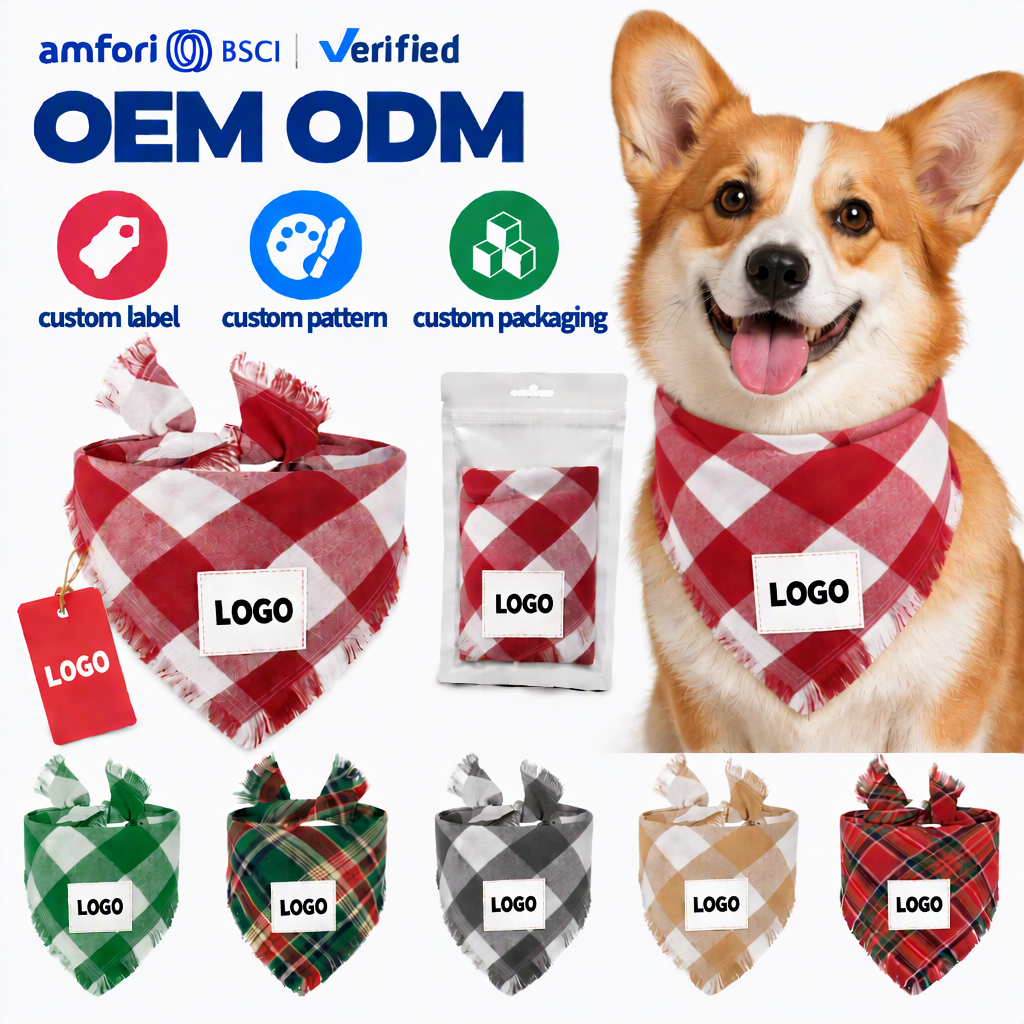
Yes. We routinely produce OEM packaging tailored specifically for the Japanese domestic retail environment. We execute custom card stock backing, blister packaging, matte polybags, woven logo labels, silicone patch logos, laser engraving on metal buckles, and high-resolution printing of domestic JAN (Japanese Article Number) barcodes that pass handheld scanner inspection without error.
What is the standard procedure for quality assurance (AQL) before shipment dispatch?
All production runs follow standard MIL-STD-105E / ISO 2859-1 Level II sampling plans with strict AQL 1.5 Major and 4.0 Minor tolerance limits. We test pull release mechanisms, swivel rotation smoothness, stitching integrity, rivet torque, color fastness, and packaging cleanliness. Comprehensive digital inspection reports and video documentation are forwarded to buyers prior to release.
What payment mechanisms and trade terms are supported for Japanese buyers?
We provide multi-currency settlement (USD, CAD, CNY, and JPY upon request). Standard payment methods include Telegraphic Transfer (T/T), Letter of Credit (L/C), PayPal, and Credit Card escrow. Standard trade incoterms include FOB Ningbo/Shanghai, CFR/CIF Hakata, or door-to-door DDP to your designated distribution center in Fukuoka Prefecture.