Procurement Knowledge Base
Frequently Asked Questions by Central American Pet Distributors
In-depth insights into sizing standards, tariffs, customization protocols, and international payment mechanics.
Q1
How do Asian apparel sizing charts translate to large guardian breeds in Masaya?
Standard Asian sizing runs significantly smaller than the physical dimensions of Central American guardian canines. When manufacturing for the Masaya department, Hangzhou Eskim implements an anatomical "Deep-Chest Profile" (sizes 3XL to 7XL). These designs feature broader neck gussets (55–75 cm), expanded sternum clearance (78–105 cm chest girth), and adjusted thoracic slopes specifically measured for adult German Shepherds, Rottweilers, Boxers, and Pitbulls. Detailed tech packs and physical sizing rings are available prior to mass production.
Q2
What customs paperwork and HS tariff classifications apply for apparel entering Nicaragua?
Canine apparel and textile accessories fall primarily under HS Code 4201.00.00 (Saddlery and harness for animals of all kinds, including coats, leashes, and collars). We provide a fully compliant export documentation suite: Commercial Invoices endorsed for DGA (Dirección General de Servicios Aduaneros), comprehensive packing lists with metric weights and dimensions, clean Ocean/Air Bills of Lading, and non-manipulation certificates to streamline clearance through customs checkpoints at Puerto Corinto or Managua.
Q3
How does Eskim support private-label branding and custom retail packaging for regional chains?
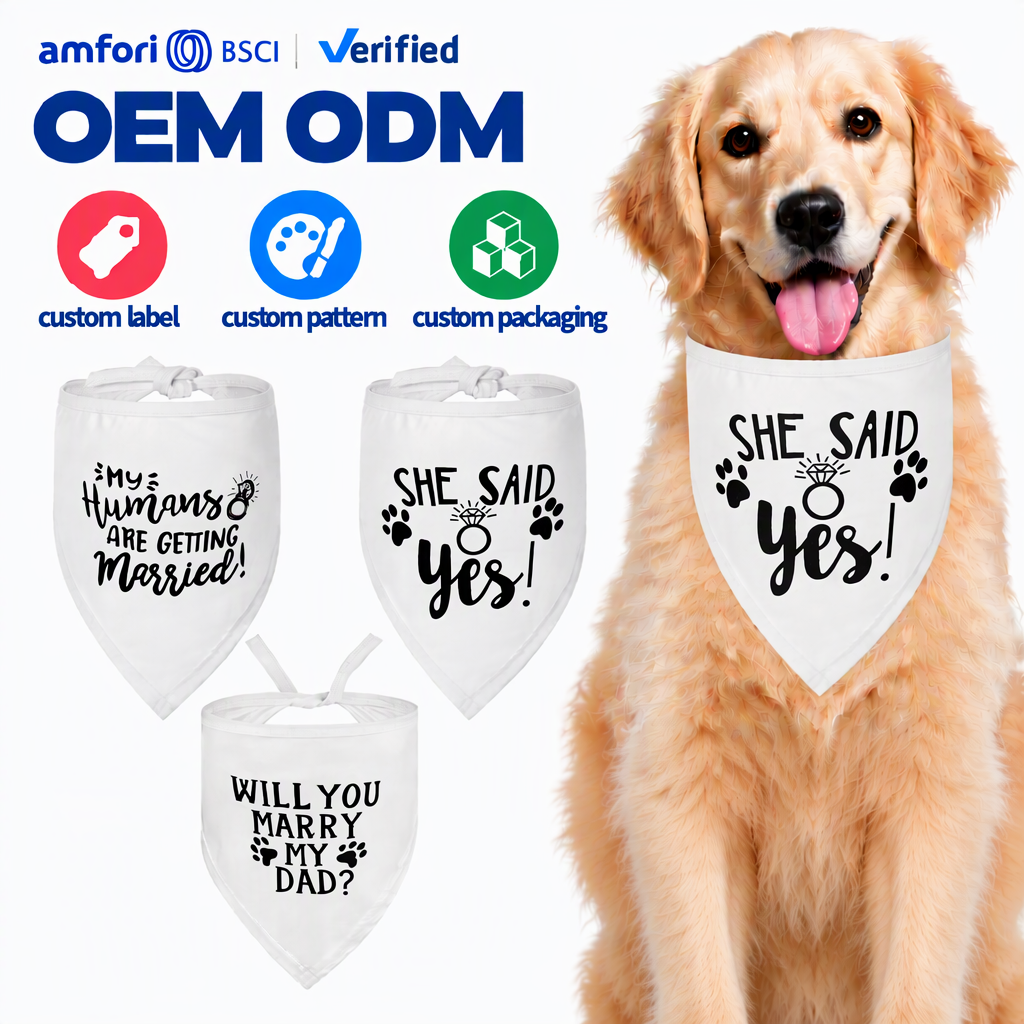
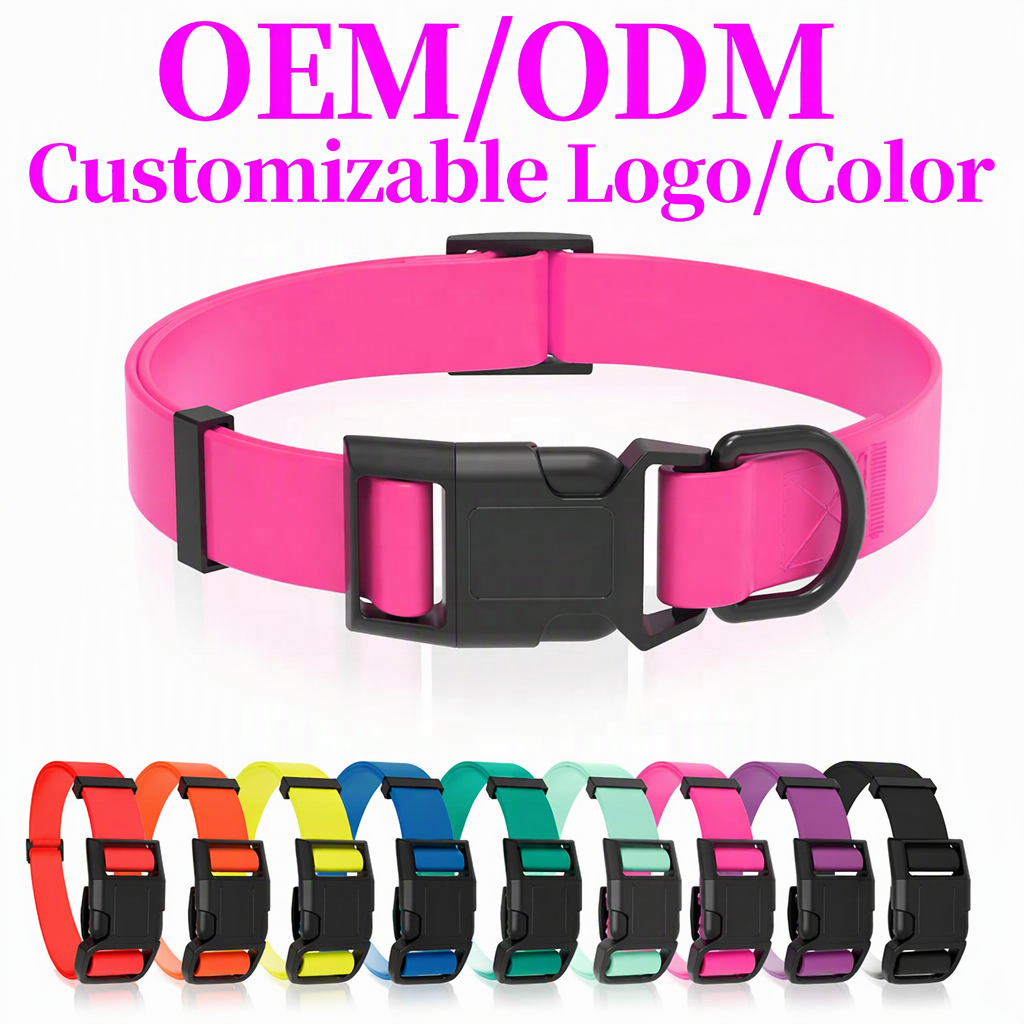
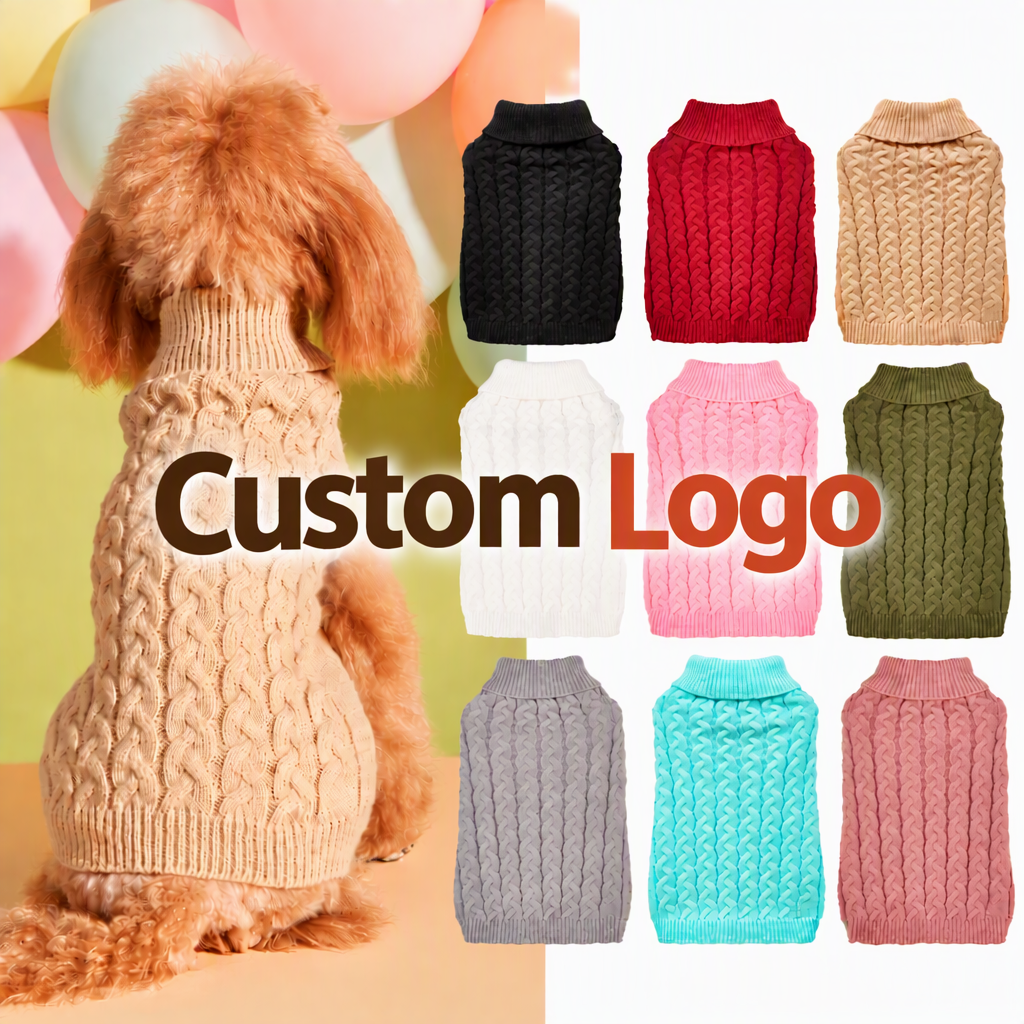
Our ODM/OEM division offers complete private-label execution. We produce custom silicone brand badges, high-density woven neck labels, Spanish-language hanging display tags with integrated EAN/UPC barcodes, and custom UV-coated retail cartons. Our joint design studio releases 100–200 fresh designs weekly, allowing Nicaraguan retail brands to establish proprietary product lines with low upfront mold and die-cut investment.
Q4
What are the recommended seasonal delivery windows for Masaya pet boutiques?
Nicaragua’s rainfall peaks between May and October (invierno). We advise placing waterproof raincoat and mud-protection orders between January and February to ensure customs clearance and stocking before the first torrential rains. Conversely, high-breathability UV cooling gear, festive ceremonial bandanas, and lightweight walking sets should be scheduled for delivery by October to capture peak dry season spending, tourism, and holiday festival surges in November and December.
Q5
What secure international settlement methods are accepted for commercial trial orders?
To accommodate established importers and growing business owners alike, we accept Telegraphic Transfer (T/T with flexible 30% deposit / 70% against BL scan terms), Irrevocable Letters of Credit (L/C at sight for container orders), PayPal, Western Union, and Alibaba Escrow. Transactions can be settled in USD, CAD, or CNY under standard Incoterms (FOB Shanghai/Ningbo, CIF Corinto, or DDP air freight).